

ULD Control Importance and Strategies
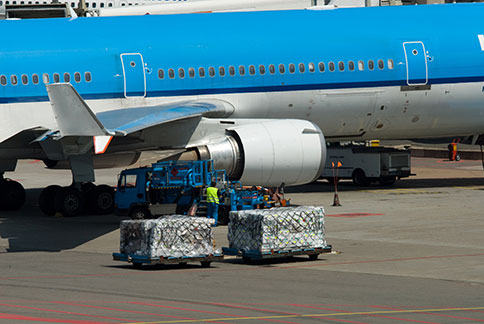
ULD control, which stands for Unit Load Device control, is a critical aspect of logistics and transportation management within the aviation industry. These containers and pallets play a vital role in ensuring the safe and efficient movement of cargo.
Understanding ULD Control
What is ULD Control?
ULD control refers to the systematic management and tracking of Unit Load Devices, which are standardized containers and pallets used to transport cargo on aircraft. These devices come in various shapes and sizes and are essential for organizing and securing cargo during transportation.
Importance of ULD Control
Effective ULD control offers several key benefits to airlines, freight forwarders, and other stakeholders involved in the logistics chain:
- Safety and Security: Proper ULD control ensures that cargo is securely loaded, minimizing the risk of shifting or damage during flight. This is crucial for maintaining the safety of both the cargo and the aircraft.
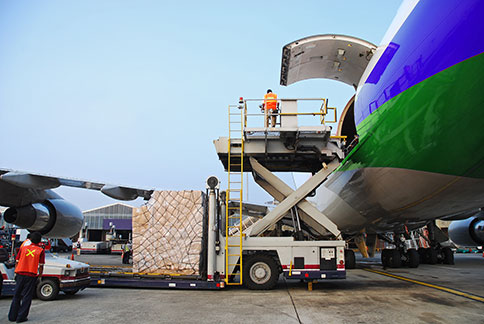
- Operational Efficiency: Well-managed ULDs enhance operational efficiency by streamlining cargo handling processes. They enable faster loading and unloading, reduce turnaround times, and optimize space utilization within aircraft holds.
- Cost Savings: ULD control helps prevent loss, theft, and damage to cargo. By minimizing these risks, airlines and logistics companies can avoid costly incidents and insurance claims.
- Compliance with Regulations: ULD control ensures compliance with industry regulations and standards, such as those set by the International Air Transport Association (IATA). Adhering to these guidelines helps maintain consistent service quality and fosters customer trust.
Strategies for Effective ULD Control
01
ULD Tracking Systems
ULD Tracking Systems Implementing a robust ULD tracking system is crucial for maintaining control over ULDs throughout the logistics process. These systems utilize technologies like barcodes, RFID (Radio Frequency Identification), or GPS (Global Positioning System) to monitor ULD movements, locations, and maintenance history.
03
Efficient ULD Planning and Allocation
Strategic ULD planning involves optimizing the allocation of containers and pallets based on cargo characteristics, weight distribution, and aircraft capacity. By utilizing software solutions and data analytics, airlines can improve load distribution, minimize empty ULDs, and maximize cargo capacity, ultimately reducing transportation costs.
02
ULD Inspection and Maintenance
Regular inspections and maintenance of ULDs are essential for identifying and addressing any damage or wear and tear. By adhering to maintenance schedules, airlines can ensure the integrity and longevity of ULDs, reducing the risk of malfunction or failure during transportation.
04
Collaboration and Communication
Effective collaboration and communication among stakeholders are critical for successful ULD control. Airlines, ground handling agents, and freight forwarders should establish clear lines of communication to facilitate seamless coordination and exchange of information regarding ULD availability, maintenance requirements, and cargo specifications.
Pivotal Role of ULD Control in Aviation Cargo Transportation
ULD control plays a pivotal role in ensuring safe, secure, and efficient cargo transportation within the aviation industry. By implementing strategies such as :
- ULD tracking systems
- Regular inspections
- Efficient planning
- Collaboration
Airlines and logistics companies can optimize ULD management, minimize risks, and enhance overall operational efficiency. Embracing these practices will not only benefit individual organizations but also contribute to the growth and sustainability of the industry as a whole.

Flight Trace Watching
In today’s fast-paced world, keeping track of air travel has become more important than ever.
Contact details